
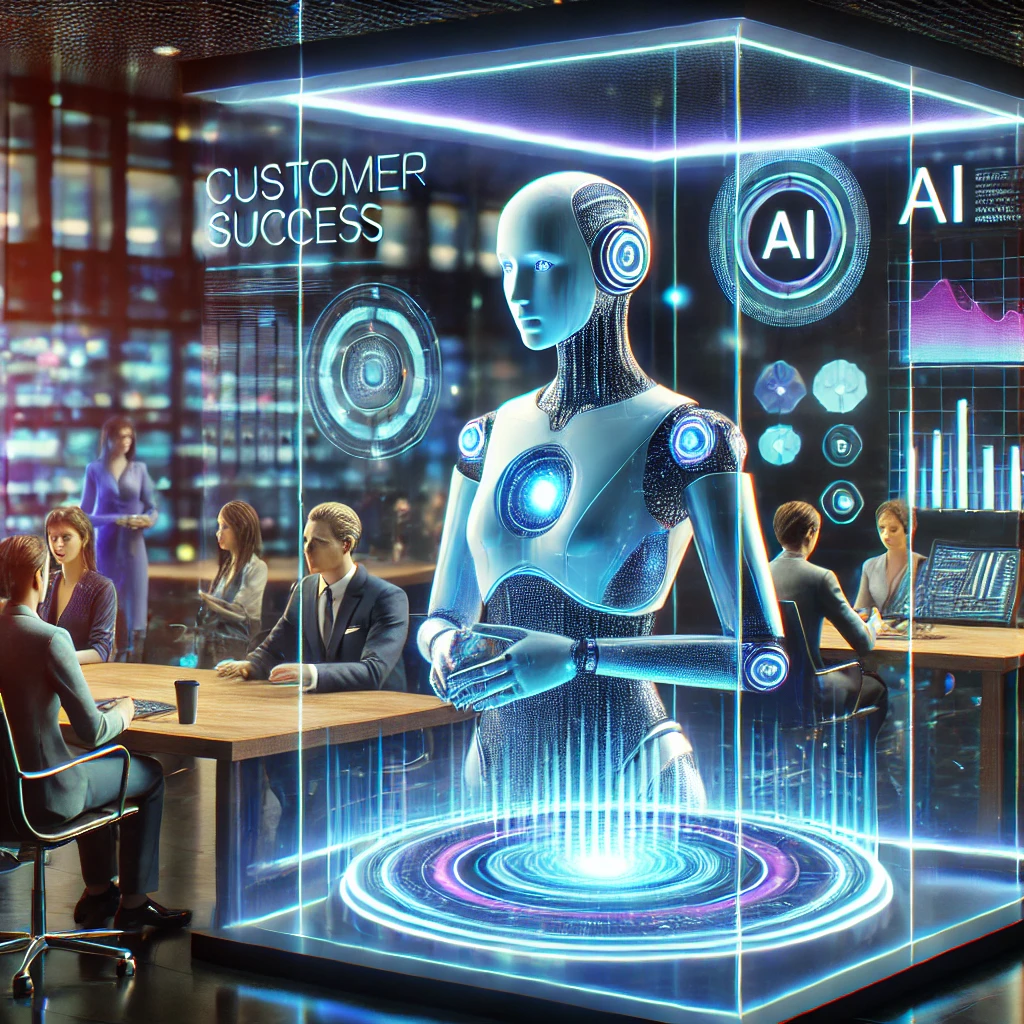
In today’s competitive market, businesses are constantly looking for ways to improve customer retention and satisfaction. One of the most powerful tools driving this transformation is AI in Customer Success. By leveraging Artificial Intelligence (AI) and Predictive Analytics, companies can proactively address customer needs, reduce churn, and create personalized experiences that foster long-term loyalty.
In this comprehensive guide, we’ll explore how AI in Customer Success is reshaping the industry, the benefits it offers, and practical ways to implement it in your business.
What is AI in Customer Success?
Defining AI’s Role in Customer Success
AI in Customer Success refers to the use of Artificial Intelligence technologies—such as machine learning, Predictive Analytics, natural language processing (NLP), and automation—to enhance the customer experience, optimize support processes, and improve customer retention.
Traditionally, Customer Success teams relied on manual efforts and historical data to anticipate customer needs. With AI, businesses can analyze vast amounts of real-time data, identify patterns, and proactively take action before issues arise.
Key Components of AI in Customer Success
- Predictive Analytics – Forecast customer behavior and potential churn risks.
- Chatbots & Virtual Assistants – Provide instant, 24/7 support.
- Sentiment Analysis – Understand customer emotions from interactions.
- Personalization Engines – Deliver tailored recommendations and content.
- Automation Tools – Reduce manual work and improve efficiency.
How AI Enhances Customer Retention
Customer retention is a top priority for businesses, as acquiring a new customer can cost five times more than retaining an existing one. Here’s how AI in Customer Success can significantly improve customer retention:
1. Predictive Analytics for Proactive Customer Support
AI-powered Predictive Analytics can analyze past interactions, product usage, and customer behaviour to identify early warning signs of churn. By recognizing patterns in customer dissatisfaction, companies can take proactive measures to address concerns before customers leave.
📌 Example: A SaaS company notices a drop in product usage by a key customer. AI flags this as a churn risk, prompting the customer success team to reach out with personalized solutions, preventing cancellation.
2. AI-Driven Personalization to Boost Engagement
AI can analyze customer preferences, purchase history, and engagement metrics to deliver hyper-personalized content, product recommendations, and support solutions. Personalized interactions increase customer satisfaction, leading to higher retention rates.
📌 Example: AI-powered emails that suggest relevant training materials based on how a customer interacts with a product.
3. Sentiment Analysis for Better Customer Insights
AI-powered sentiment analysis tools scan emails, chat conversations, and social media mentions to detect customer sentiment. This helps Customer Success teams identify frustrated customers early and take immediate action.
📌 Example: AI detects a surge in negative sentiment from customer feedback and alerts the team to investigate and resolve the issue quickly.
4. AI Chatbots for Instant, 24/7 Customer Support
Customers expect immediate responses to their inquiries. AI-driven chatbots and virtual assistants ensure round-the-clock support, reducing frustration and improving the customer experience.
📌 Example: A chatbot helps troubleshoot common issues instantly, freeing up human agents for more complex problems.
5. Automating Routine Tasks to Focus on High-Value Activities
AI can automate repetitive customer success tasks such as onboarding emails, follow-up reminders, and ticket routing. This allows human agents to focus on building stronger customer relationships and delivering personalized support.
📌 Example: AI automates follow-ups for customers who haven’t completed onboarding, ensuring a seamless experience.
Best Practices for Implementing AI in Customer Success
To maximize the benefits of AI in Customer Success, businesses need a strategic approach. Here are some best practices:
1. Start with Clear Goals
Identify key challenges in your Customer Success strategy, such as reducing churn, improving engagement, or streamlining support processes. Align AI initiatives with these objectives.
2. Leverage Quality Data
AI systems rely on data to make accurate predictions. Ensure your data is clean, structured, and comprehensive for the best results.
3. Combine AI with Human Expertise
AI can enhance efficiency, but human connection remains essential in customer relationships. Use AI to complement customer success teams rather than replace them.
4. Continuously Monitor AI Performance
Regularly analyze AI-generated insights and fine-tune your approach based on customer feedback and engagement metrics.
5. Prioritize Customer Privacy
Ensure your AI tools comply with data privacy regulations like GDPR and CCPA. Being transparent about AI usage builds customer trust.
The Future of AI in Customer Success
The future of AI in Customer Success is promising, with advancements in machine learning, conversational AI, and automation continuing to revolutionize the field. Some exciting trends include:
- Hyper-Personalization: AI will deliver even more tailored customer experiences.
- AI-Powered Video Assistants: Virtual agents will offer real-time video support.
- Advanced Churn Prediction Models: AI will refine churn prediction accuracy with deeper behavioural insights.
- Emotion AI: AI will detect emotions in real-time to provide empathetic customer interactions.
Businesses that adopt AI-driven Customer Success strategies now, will have a competitive advantage in delivering exceptional customer experiences and long-term retention.
Final Thoughts
AI in Customer Success is no longer a futuristic concept—it’s a game-changer for businesses looking to enhance customer retention, predictive analytics, and overall customer satisfaction. By leveraging AI-powered tools, companies can proactively engage customers, reduce churn, and drive long-term success.
Are you ready to integrate AI into your Customer Success strategy? Start by evaluating your customer data, exploring AI solutions, and creating a roadmap for AI-driven customer retention.